Choosing between a tankless and a traditional tank water heater is not just about picking the newest option, especially if you are planning a water heater replacement. It is about choosing the system that fits your home, budget, hot water habits, and long-term plans.
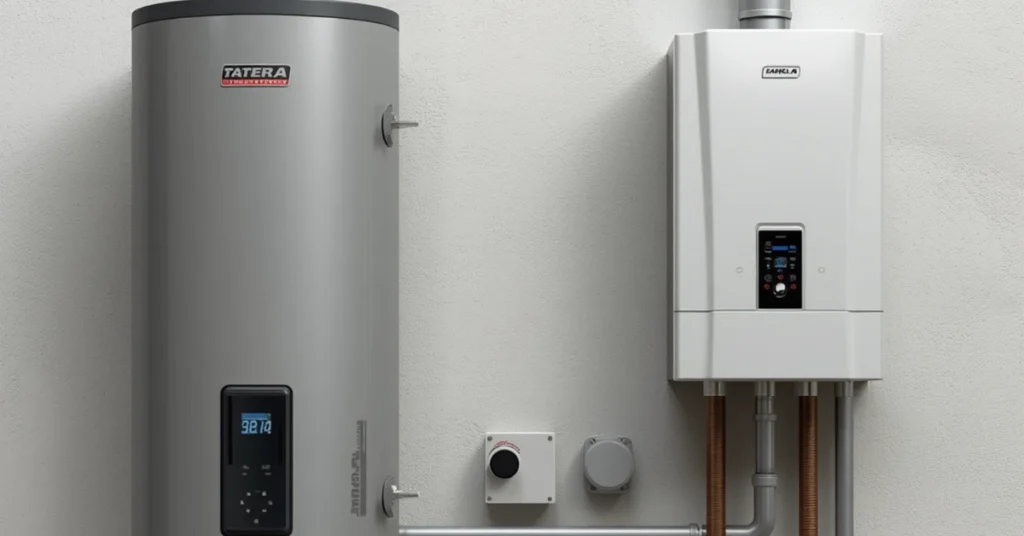
A tank water heater stores hot water in a tank so it is ready when you need it. A tankless water heater, also called an on-demand water heater, heats water only when a hot water tap is turned on.
Both can be good choices. Tank water heaters are usually more affordable upfront and easier to replace. Tankless water heaters can save space, improve energy efficiency, and provide continuous hot water when properly sized.
So in the tankless vs tank water heater debate, the best choice depends on your home, not just the appliance.
Quick Answer: Tankless vs Tank Water Heater
Choose a tank water heater if you want a lower upfront cost, simpler installation, and a familiar system that works well for normal household demand.
Choose a tankless water heater if you want better energy efficiency, more space, longer potential lifespan, and hot water on demand.
Here is the simple version:
| Best choice if… | Better option |
|---|---|
| You want the lowest upfront cost | Tank water heater |
| You need a fast replacement | Tank water heater |
| You want to save space | Tankless water heater |
| You often run out of hot water | Tankless water heater |
| You want lower standby energy loss | Tankless water heater |
| You want simpler installation | Tank water heater |
| You plan to stay in the home long term | Tankless may be worth considering |
Tankless is not automatically better. A tank system is not automatically outdated. The right answer depends on your hot water use, installation conditions, and total cost over time.
Not sure which water heater fits your home?
All-In-One Home Services can help you compare tank and tankless options based on your hot water needs, home setup, and budget.
Tank vs Tankless Water Heater Comparison Table
| Factor | Tank Water Heater | Tankless Water Heater |
|---|---|---|
| How it works | Stores hot water in a tank | Heats water on demand |
| Upfront cost | Usually lower | Usually higher |
| Installation | Often simpler | Can require gas, venting, or electrical upgrades |
| Hot water supply | Limited by tank size | Continuous, within flow rate limits |
| Space | Takes more floor space | Wall-mounted and compact |
| Energy efficiency | Can lose heat while storing water | Usually more efficient because it heats only when needed |
| Maintenance | Flushing, sediment control, anode rod checks | Descaling, water quality management, heat exchanger protection |
| Lifespan | Often shorter | Often longer with proper maintenance |
| Best for | Budget-friendly replacement | Efficiency, space savings, long-term value |
How a Traditional Tank Water Heater Works
A traditional tank water heater keeps a set amount of water hot inside a storage tank. Common residential tanks often hold 30 to 80 gallons, depending on the home’s needs.
When someone takes a shower, runs the dishwasher, or uses hot water at a sink, the system pulls from that stored supply. Once the tank runs low, the heater needs time to recover and heat more water.
The biggest advantage is simplicity. If your home already has a tank system, replacing it with another tank water heater is often straightforward. That can make it the easier and more affordable choice for many homeowners.
The downside is standby heat loss. Because the system keeps water hot even when nobody is using it, some energy is wasted throughout the day.
How a Tankless Water Heater Works
A tankless water heater does not store hot water. Instead, it heats water as it flows through the unit. When a hot water tap turns on, the system activates and heats water in real time.
That is why tankless systems are often called on-demand water heaters. According to the U.S. Department of Energy, demand-type water heaters heat water only when needed and can reduce energy use compared with conventional storage water heaters in many homes.
The biggest benefit is that you are not limited by a tank of stored hot water. If the system is sized correctly, it can provide continuous hot water for longer use.
But tankless systems still have limits. The key number is flow rate, usually measured in gallons per minute. If too many showers, sinks, or appliances use hot water at the same time, an undersized tankless unit may struggle to keep up.
Tankless performance depends heavily on proper sizing and professional installation.
Tankless Water Heater Cost vs Tank Water Heater Cost
Cost is one of the biggest differences between the two systems.
A tank water heater cost is usually lower upfront. The unit is often less expensive, and installation may be simpler if you are replacing an existing tank with a similar model.
A tankless water heater cost is usually higher. The unit itself can cost more, and installation may require additional work. Depending on the home, switching to tankless may involve updates to:
- Gas line capacity
- Venting
- Electrical panel
- Water lines
- Mounting location
- Condensate drainage
That does not mean tankless is a bad investment. It means homeowners should compare the total cost, not just the appliance price.
A tankless system may offer long-term savings through energy efficiency and longer service life. But if the installation requires major upgrades, the payback period may be longer.
The best value depends on how long you plan to stay in the home, how much hot water you use, and what installation conditions already exist.
Water Heater Installation Requirements to Consider
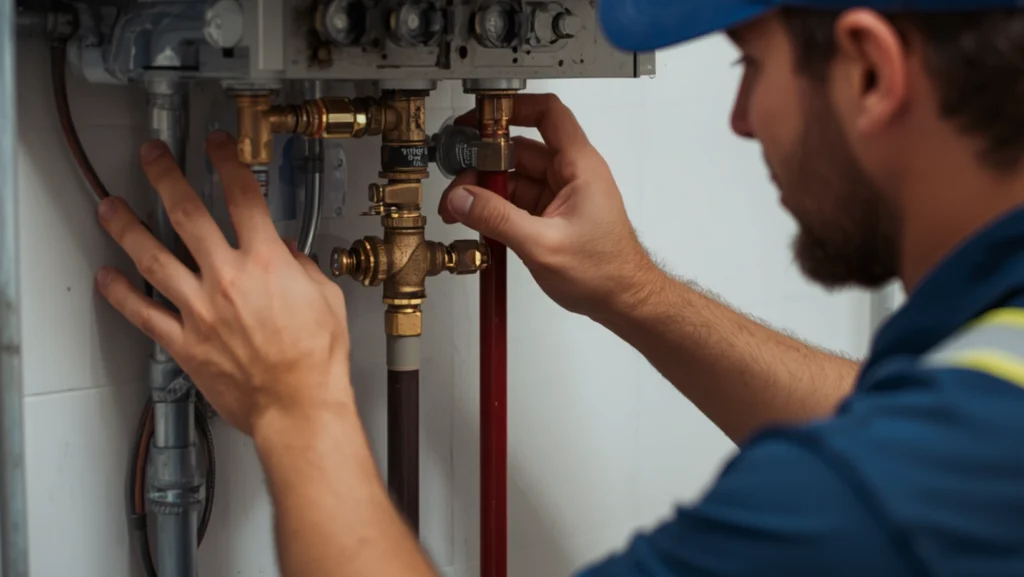
Water heater installation is where many homeowners are surprised.
Replacing a tank water heater with another tank model is often the simplest route, especially if the existing space, venting, and connections are already set up for it.
Tankless installation can be more involved. A gas tankless water heater may need proper venting and enough gas line capacity. An electric tankless water heater may require enough electrical capacity in the panel to support high-demand heating.
Before choosing tankless, it is important to look at:
- Available space
- Fuel type
- Venting options
- Gas line size
- Electrical panel capacity
- Water quality
- Household hot water demand
This is why a professional assessment matters. The right water heater on paper may not be the right system for your home if the installation requirements are not practical or cost-effective.
Hot Water Performance: Tank Storage vs On-Demand Supply
A tank water heater gives you a fixed amount of hot water. Once that supply is used, you wait for the tank to recover.
That can be fine for smaller households or families with staggered schedules. But if several people shower back to back, or if laundry and dishwashing happen at the same time, a tank system can run out of hot water.
A tankless water heater can provide continuous hot water, but only within its flow rate. If your household demand is higher than the unit can handle, water temperature may drop or become inconsistent.
This is one of the most important parts of the decision.
Choose based on how your home actually uses hot water:
- How many people live in the home?
- Do showers happen at the same time?
- Do you run laundry and dishes during peak shower times?
- Are you often running out of hot water now?
- Do you expect household demand to increase?
A properly sized system matters more than the label “tank” or “tankless.”
Lifespan and Water Heater Maintenance
Both systems need maintenance.
For tank water heaters, maintenance often focuses on sediment buildup. Minerals can settle at the bottom of the tank over time, reducing efficiency and adding strain to the system. Flushing the tank can help. The anode rod should also be checked because it helps protect the tank from corrosion.
For tankless water heaters, maintenance often focuses on descaling. Hard water can leave mineral buildup inside the heat exchanger, which can affect performance and lifespan. In areas with hard water, tankless systems may need more regular service.
Maintenance topics to consider include:
| Maintenance item | Tank water heater | Tankless water heater |
|---|---|---|
| Sediment buildup | Common concern | Less of a tank issue, but minerals still matter |
| Anode rod | Important | Not typically the same concern |
| Descaling | Usually not the main task | Very important, especially with hard water |
| Water quality | Important | Very important |
| Routine service | Recommended | Recommended |
Tankless water heaters are often associated with longer lifespan, but they are not maintenance-free. If maintenance is ignored, efficiency and performance can suffer.
When a Tank Water Heater Makes More Sense
A traditional tank water heater may be the better choice if you want the most budget-friendly replacement.
It may also make sense if:
- Your current tank system worked well for your household
- You do not often run out of hot water
- You want a simpler installation
- You need a fast replacement
- You want lower upfront cost
- Your home would require major upgrades for tankless
For many homeowners, a properly sized tank water heater is still a practical and reliable option.
When a Tankless Water Heater Makes More Sense
A tankless water heater may be the better choice if you want a more efficient, space-saving system and are comfortable with a higher upfront investment.
Tankless may make sense if:
- You want on-demand hot water
- You often run out of hot water
- You want to save space
- You plan to stay in the home long term
- You want better energy efficiency
- Your home can support the installation requirements
- You are willing to keep up with maintenance and descaling
Tankless can be a strong long-term upgrade, but only when it is sized and installed correctly.
Common Mistakes to Avoid Before Water Heater Replacement
One common mistake is choosing tankless just because it sounds more advanced. Tankless can be excellent, but it is not the right fit for every home.
Another mistake is looking only at upfront cost. A cheaper system may cost more over time if it does not meet household demand or wastes energy.
Homeowners should also avoid ignoring flow rate. A tankless unit that is too small can lead to frustrating performance when multiple fixtures use hot water at once.
Hard water is another factor. If your home has hard water, tankless maintenance and descaling become especially important.
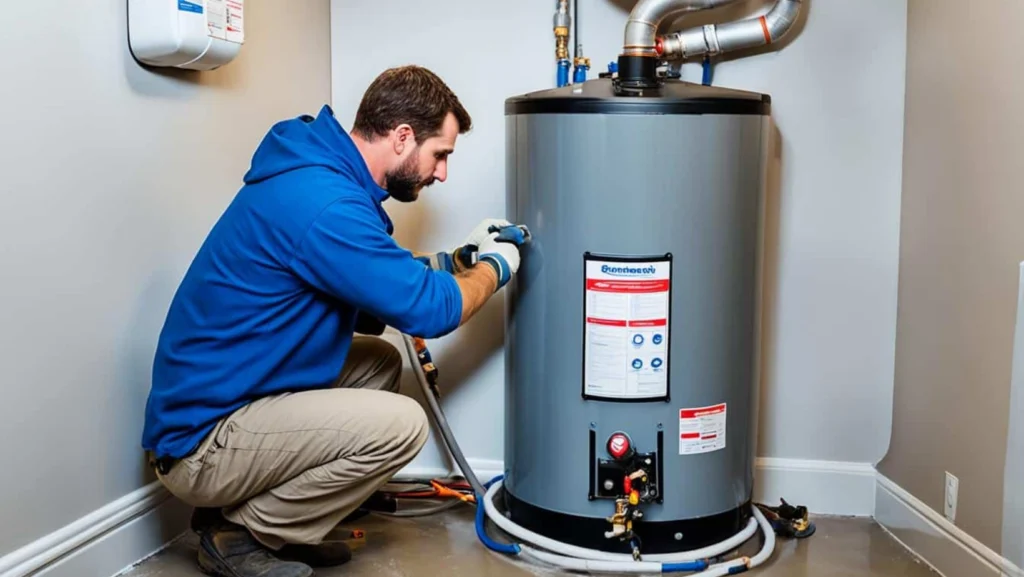
The biggest mistake is skipping a professional installation assessment. Water heater replacement should account for your space, fuel source, venting, electrical capacity, water quality, and hot water habits.
How to Choose the Right Water Heater for Your Denver Home
To choose between a tankless vs tank water heater, start with your real priorities.
Ask yourself:
- Do I want the lowest upfront cost?
- Am I replacing an old system quickly?
- Do I want long-term efficiency?
- Do I often run out of hot water?
- Is space limited?
- Can my home support tankless installation?
- How hard is my water?
- How long do I plan to stay in the home?
If you want a simple, affordable replacement, a tank water heater may be the better fit.
If you want space savings, on-demand hot water, and long-term value, a tankless water heater may be worth exploring.
The best choice is the system that fits your home, your budget, and your daily hot water use.
Need Help Choosing the Right Water Heater?
If you are comparing tankless vs tank water heaters, you do not have to guess. All-In-One Home Services can help evaluate your home, hot water demand, installation requirements, and replacement options.
Whether you need a traditional tank water heater, a tankless water heater, water heater maintenance, or professional water heater installation in Denver, our team can help you choose the right system for your home.
Call All-In-One Home Services today or schedule water heater service online to get expert help with your replacement.
Conclusion: Tankless vs Tank Water Heater
There is no one-size-fits-all winner in the tankless vs tank water heater comparison.
A tank water heater is often better if you want lower upfront cost, simpler installation, and a fast replacement. A tankless water heater may be better if you want energy efficiency, space savings, and continuous hot water under the right conditions.
Before deciding, compare cost, installation needs, maintenance, water quality, flow rate, and household demand. The right water heater should fit how your home actually uses hot water.
FAQs About Tankless vs Tank Water Heaters
Not always. A tankless water heater can be better for efficiency, space savings, and continuous hot water, but a tank water heater may be better for lower upfront cost and simpler replacement.
Tankless water heater cost is usually higher than tank water heater cost because the unit is more expensive and installation may require gas, venting, or electrical upgrades.
An electric tankless water heater can be worth it in the right home, but it may require significant electrical capacity. A professional should check whether your electrical panel can support it.
A gas tankless water heater is often better for higher hot water demand, but it may require proper venting and gas line capacity. Electric tankless can work well in some homes but may have electrical limitations.
A tankless water heater can often last longer than a traditional tank model when it is properly installed and maintained. Descaling and water quality are important for long-term performance.
Tank water heater lifespan depends on maintenance, water quality, usage, and installation. Sediment buildup and anode rod condition can affect how long the system lasts.
Yes. Hard water can cause mineral buildup inside a tankless water heater, especially in the heat exchanger. Regular descaling can help protect performance and efficiency.
The right size depends on household demand and flow rate. A technician can calculate how many gallons per minute your home needs based on showers, sinks, appliances, and peak usage.
Consider water heater replacement if your system is old, leaking, unreliable, inefficient, unable to meet hot water demand, or becoming too expensive to repair.