If your furnace is not turning on, start with the thermostat, power supply, circuit breaker, and air filter before assuming you need a major repair. Many no-heat problems begin with one of these basic issues.
If those checks do not restore heat, the problem may involve ignition, airflow, electrical controls, gas supply, or a built-in safety shutdown. This guide explains what you can safely check yourself, what different furnace symptoms may mean, and when it is time to call an HVAC professional. If your rooms are warm but the shower turns cold partway through, see why hot water runs out in our tank vs. tankless guide.
Quick Answer: What to Check If Your Furnace Won’t Turn On
Before calling for furnace repair, check these eight things:
- Make sure the thermostat is set to Heat.
- Set the temperature several degrees above the current room temperature.
- Check the furnace power switch.
- Check the furnace circuit breaker.
- Inspect the air filter.
- Make sure the furnace access panel is fully closed.
- Check that supply and return vents are open.
- If you have a gas furnace, see whether other gas appliances are working.
After correcting a simple issue, give the furnace a few minutes to respond. Avoid repeatedly turning the furnace on and off or resetting the breaker.
Safety warning: Stop troubleshooting if you smell gas, a carbon monoxide alarm sounds, you see smoke, or you notice an electrical burning smell. Leave the area if necessary and contact the appropriate emergency service, gas utility, or HVAC professional.
For additional heating-safety information, the U.S. Consumer Product Safety Commission provides guidance on furnace use and working smoke and carbon monoxide alarms.
Furnace Not Turning On? Start With These Basic Checks
The safest place to start is with the parts of the system homeowners can easily inspect without opening electrical, gas, or combustion components.
Check the thermostat settings
A thermostat issue is one of the simplest reasons a furnace may not start.
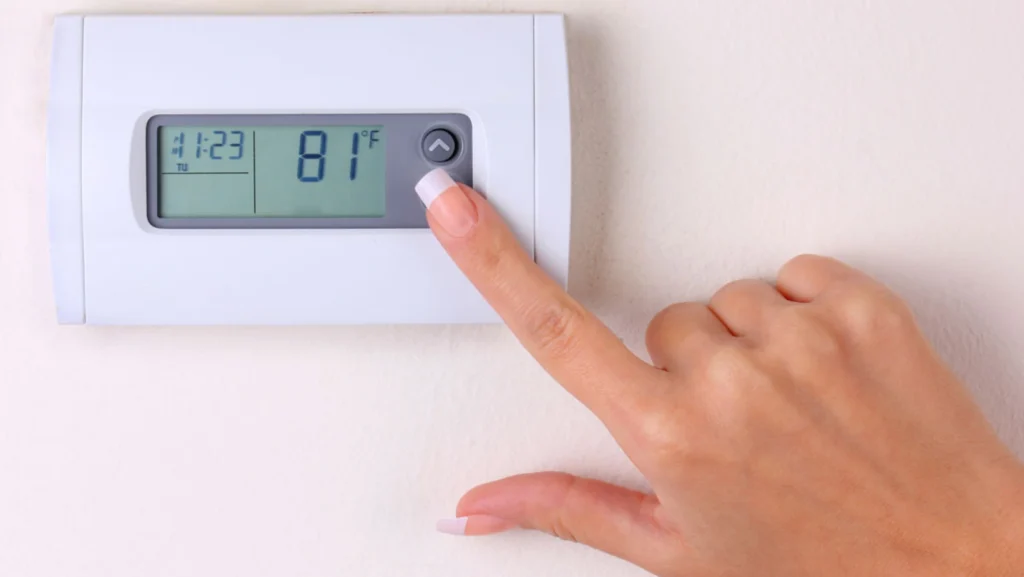
Make sure the thermostat is set to Heat, not Cool, Off, or fan-only mode. Raise the temperature several degrees above the current room temperature and give the furnace a minute or two to respond.
If the thermostat screen is blank, replace the batteries if your model uses them. A blank hardwired thermostat can also point to a power problem, tripped breaker, or low-voltage electrical issue.
If the thermostat clicks but the furnace does not turn on, continue with the power checks below.
Make sure the furnace has power
Many furnaces have a service switch nearby that looks similar to a standard light switch. It can occasionally be turned off accidentally during cleaning, maintenance, or work around the furnace.
Make sure the switch is in the On position.
If the furnace still does not respond, check the main electrical panel.
Check the circuit breaker
Look for the breaker labeled for the furnace or HVAC system.
If it has tripped, reset it once. If it trips again, do not continue resetting it.
A furnace breaker that repeatedly trips may point to an electrical fault, motor problem, wiring issue, or another condition that requires professional testing.
Make sure the furnace door is fully closed
Most furnaces include a door safety switch that prevents the system from running while the access panel is removed.
If the furnace panel was recently opened for a filter change or inspection, make sure it is seated correctly and fully secured.
A loose access panel can make the furnace appear completely dead even when the thermostat and electrical supply are working correctly.
Inspect the air filter and airflow
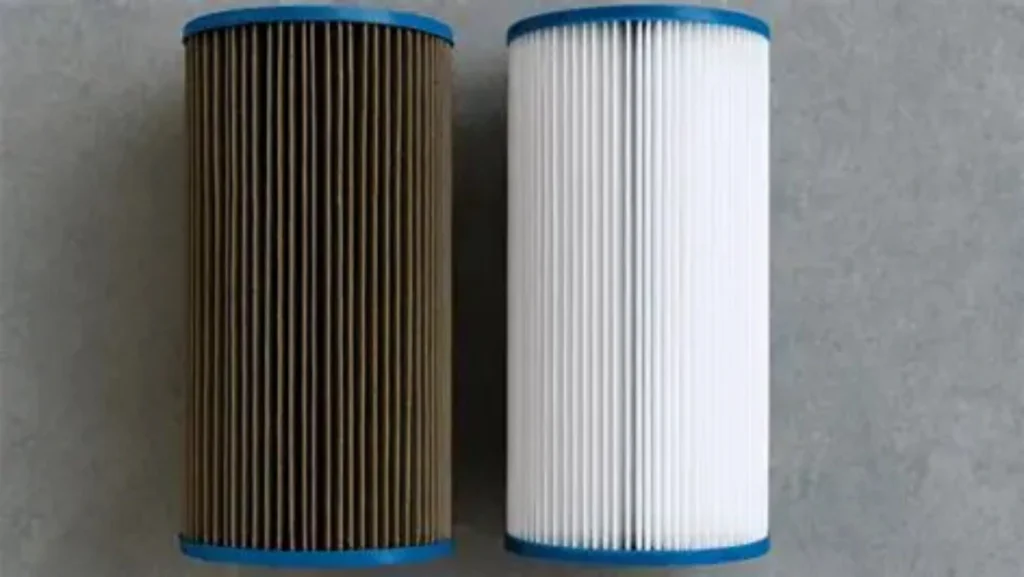
A dirty furnace filter does more than reduce efficiency. If it becomes severely clogged, it can restrict airflow, cause the furnace to overheat, and trigger a safety limit that interrupts the heating cycle.
Remove the filter and check for heavy dust, pet hair, or debris. If it is dirty, install the correct replacement air filter for your system.
Also check that supply and return vents are open and not blocked by:
- Furniture
- Rugs
- Curtains
- Boxes
- Heavy dust buildup
Restricted airflow can contribute to overheating, short cycling, and unreliable furnace performance. If some rooms consistently receive weak airflow, there may also be ductwork and airflow problems elsewhere in the home. If you notice the same weak airflow in summer, our AC troubleshooting guide walks through the filter, blower and vents.
If the Furnace Has Power but Still Won’t Start
If the thermostat, power, breaker, filter, and access panel all look normal, the problem may be deeper inside the furnace.
At this point, troubleshooting should generally move from homeowner checks to professional diagnosis.
Check the gas supply
If you have a gas furnace, check whether other gas appliances in the home are working.
If your gas stove, water heater, and furnace all appear to have lost gas service, the issue may not be limited to the furnace.
Do not force gas valves or open fuel-system components. If you are unsure whether a gas valve is in the correct position, leave it alone and contact a professional.
If you smell gas at any point, stop troubleshooting immediately.
The igniter may not be working
Modern gas furnaces rely on an ignition system to light the burners.
If the furnace begins its startup sequence but never produces heat, a damaged or worn igniter may be preventing ignition. You may hear clicking or repeated startup attempts without the furnace completing a heating cycle.
Ignition components should be tested and repaired by a trained HVAC technician.
The flame sensor may be causing a shutdown
The flame sensor helps the furnace confirm that the burners have ignited safely.
If the burners light briefly and then the furnace shuts down, a dirty or malfunctioning flame sensor may be one possible cause.
However, several furnace problems can create similar symptoms, so the system should be properly diagnosed instead of assuming the flame sensor is always responsible.
A control or electrical problem may prevent startup
Your furnace relies on several electrical and control components, including the control board, blower motor, switches, wiring, and safety controls.
Problems in this part of the system may cause:
- No response from the furnace
- Clicking without startup
- Repeated shutdowns
- Blower operation without heat
- Circuit breaker trips
- Error codes
Do not open electrical compartments or attempt high-voltage repairs yourself.
A clogged condensate drain may shut down a high-efficiency furnace
High-efficiency furnaces produce condensation during normal operation.
If the condensate drain becomes clogged or a condensate pump cannot remove the water, a safety control may shut the furnace down.
Look for standing water around the furnace or a full condensate reservoir. If you see water, turn the system off and arrange professional service rather than repeatedly trying to restart the furnace.
What Your Furnace Is Doing Can Point to the Problem
Your furnace may not be completely dead. What it does when it tries to start can provide useful clues.
Furnace clicking but not turning on
Clicking often means the furnace is attempting part of its normal startup sequence.
Possible causes can include:
- Ignition failure
- Igniter problems
- Gas supply issues
- Flame-sensing problems
- Electrical or control issues
If the furnace repeatedly clicks but never produces heat, continuing to reset the system is unlikely to solve the underlying problem.
Blower running but no heat
If air is coming through the vents but it feels cold, first check the thermostat fan setting.
The fan should normally be set to Auto, not On. In the On position, the blower can run even when the furnace is not actively heating.
If the thermostat is already set correctly and the furnace continues blowing cold air, it may be failing during ignition or another stage of the heating cycle.
Furnace starts and then shuts off
A furnace that starts but shuts down again quickly may be short cycling.
Possible causes include:
- Dirty air filter
- Restricted airflow
- Overheating
- Thermostat problems
- Flame sensor issues
- Safety-control problems
Repeated short cycling should not be ignored. It can increase component wear while leaving the home unable to maintain a comfortable temperature.
What Not to Do If Your Furnace Won’t Start
It can be tempting to keep resetting the furnace or start opening panels when simple troubleshooting does not work.
That is where homeowners should stop.
Do not:
- Bypass furnace safety switches
- Force gas valves
- Repeatedly reset a tripping breaker
- Open sealed burner areas
- Attempt high-voltage electrical repairs
- Keep restarting a furnace that repeatedly shuts itself down
Also pay attention to warning signs.
Stop using the furnace if you notice:
- Gas odor
- Carbon monoxide alarm
- Smoke
- Soot
- Electrical burning smell
- Unusual electrical buzzing
- Repeated breaker trips
Gas, combustion, and electrical problems require proper equipment and training to diagnose safely.
When to Call for Furnace Repair
Basic troubleshooting is useful, but there is a point where continued trial and error becomes less helpful than professional testing.
Schedule professional furnace repair if:
- The furnace has power but will not start
- The breaker keeps tripping
- The furnace repeatedly tries to ignite and fails
- The blower runs but no heat is produced
- The furnace starts and shuts off repeatedly
- Water appears around the unit
- An error code keeps returning
- You hear unusual buzzing or electrical sounds
- You smell gas or electrical burning
- Your home is losing heat quickly during cold weather
Modern furnaces use multiple safety controls and electrical components. Once the basic homeowner checks are complete, accurate testing is usually the fastest way to identify the real cause.
Still No Heat?
If the basic checks did not get your furnace running again, have the system diagnosed before repeatedly resetting it or moving into gas or electrical components.
How to Help Prevent Future Furnace Problems
Routine maintenance cannot prevent every heating problem, but it can reduce the chances of losing heat unexpectedly.
A few practical habits can help:
- Replace the furnace filter on schedule.
- Keep supply and return vents open.
- Check thermostat batteries before heating season.
- Keep the area around the furnace clear and accessible.
- Pay attention to changes in startup sounds or heating cycles.
- Address repeated ignition or short-cycling problems early.
- Schedule seasonal furnace maintenance before peak heating season.
A professional furnace tune-up can also help identify airflow, ignition, electrical, and safety-control problems before colder weather places heavier demand on the system. Use our home winterization checklist for the rest of your pre-freeze checks.
Need Help With a Furnace That Won’t Turn On?
All-In-One Home Services provides furnace troubleshooting and repair throughout the Denver metro area.
If your furnace has power but still will not start, keeps shutting down, or is leaving your home without heat, our team can inspect the thermostat, airflow, ignition system, electrical controls, and furnace operation to identify the cause and recommend the right next step.
Whether you need furnace repair, seasonal maintenance, or help deciding whether an older furnace should be replaced, we can help you choose the right solution for your home.
Conclusion
If your furnace is not turning on, start with the simplest checks: thermostat settings, furnace power, circuit breaker, access panel, air filter, and airflow.
Those basic steps may solve the problem or at least help narrow down what is happening.
If the furnace still will not start, avoid moving into gas, ignition, combustion, or electrical repairs yourself. Symptoms such as repeated breaker trips, ignition failure, short cycling, standing water, unusual electrical sounds, or unsafe odors are signs that professional diagnosis is the safer next step.
Finding the cause early can help restore heat faster and prevent a small furnace problem from becoming a more expensive repair.
FAQs About a Furnace Not Turning On
Why is my furnace not turning on?
Start by checking the thermostat, furnace power switch, circuit breaker, air filter, access panel, and airflow. If those are normal, the problem may involve ignition, gas supply, electrical controls, or a built-in safety shutdown.
Why does my thermostat click but my furnace not turn on?
A thermostat click can mean it is sending a heating request, but the furnace may still have a power, ignition, airflow, control, or gas-supply problem. Check the basic homeowner items first, then schedule service if the furnace does not respond.
Can a dirty filter stop a furnace from turning on?
A severely clogged filter can restrict airflow and cause the furnace to overheat. A safety limit may then shut the system down or interfere with normal heating cycles.
Why is my furnace blower running but there is no heat?
First, make sure the thermostat fan is set to Auto rather than On. If the blower continues running without warm air, the furnace may be failing during ignition or another stage of the heating cycle.
Why does my furnace start and then shut off?
This is commonly called short cycling. Possible causes include restricted airflow, a dirty filter, overheating, thermostat issues, or flame-sensing and other safety-control problems.
What should I do if my furnace breaker keeps tripping?
Reset the breaker only once. If it trips again, leave it off and call an HVAC professional. Repeated breaker trips can indicate an electrical fault and should not be treated as a normal reset.
Should I reset my furnace if it will not start?
After correcting a simple issue such as a dirty filter, tripped breaker, or loose access panel, give the furnace time to restart. Avoid repeatedly cycling the breaker or furnace power switch if the problem continues.
When should I call for furnace repair?
Call for professional furnace repair when basic checks do not restore heat, the breaker repeatedly trips, ignition fails, the furnace short cycles, water appears around the unit, or you notice gas, smoke, electrical odors, or other safety concerns.