Winterizing your home is easier when you start before the first hard freeze. You do not need to wait for a major snowstorm to begin preparing. In Denver, freezing temperatures can arrive before significant snowfall, so the forecast matters more than what the yard looks like.
A good home winterization checklist should cover more than the furnace. Your heating system, plumbing, outdoor water lines, swamp cooler, windows, doors, safety alarms, and emergency plan all play a role in keeping your home comfortable and reducing the risk of winter damage.
The goal is not to turn every homeowner into a technician. Many winter-prep tasks are simple enough to handle yourself, while gas, combustion, high-voltage electrical, boiler, and difficult rooftop work should be left to qualified professionals.
Quick Home Winterization Checklist
Before freezing weather arrives:
- Test your furnace or boiler.
- Inspect or replace the furnace filter as appropriate.
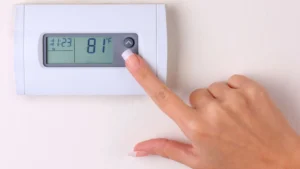
- Check thermostat operation and batteries when applicable.
- Keep supply and return vents unobstructed.
- Disconnect and drain garden hoses.
- Protect outdoor faucets.
- Winterize sprinkler and irrigation systems.
- Insulate vulnerable accessible pipes.
- Locate the main water shutoff.
- Winterize the swamp cooler.
- Add weatherstripping around drafty doors and windows.
- Test smoke and carbon monoxide alarms.
- Check safe-to-access exterior heating vents for obstructions.
- Keep emergency service contacts accessible.
Do the basic work before the first freeze. Waiting until the house is already cold or an outdoor line has frozen turns preventive maintenance into emergency troubleshooting.
1. Get Your Heating System Ready Before the First Freeze
Test the furnace or boiler before you need it
Do not wait for the first freezing night to discover that your heating system will not start.
Turn the system on before peak heating season and confirm that it responds to the thermostat and begins warming the home normally.
Pay attention to warning signs such as:
- No heat
- Uneven heating
- Frequent cycling
- Unusual banging or grinding noises
- A system that starts and quickly shuts down
- Rooms that remain much colder than others
If your furnace is not turning on, work through the basic homeowner checks before moving into internal components. Gas valves, burners, ignition systems, safety controls, heat exchangers, and combustion settings should not be treated as DIY troubleshooting areas.
Check the filter, thermostat, and airflow
Inspect the furnace filter and replace it when needed according to the equipment and filter instructions.
A dirty filter can restrict airflow and make the heating system work harder. Also confirm that supply registers and return-air grilles are not covered by furniture, rugs, boxes, or heavy dust buildup.
Check that the thermostat is in heating mode and replace its batteries when applicable.
These simple checks take little time but can uncover problems before winter places heavier demand on the system.
Schedule seasonal heating maintenance when needed
A professional inspection or tune-up can identify problems that are not visible during a homeowner check.
Seasonal heating maintenance is especially worth considering when the furnace or boiler has not been serviced recently, has become unreliable, or showed problems near the end of the previous heating season.
If a furnace fails to start, repeatedly shuts down, or cannot heat the home reliably, furnace repair may be needed before cold weather gets worse.
2. Protect Pipes and Outdoor Plumbing
Cold weather preparation should include every part of the plumbing system that may be exposed to freezing temperatures. If you’re reviewing other plumbing maintenance at the same time, compare water heater maintenance needs for tank and tankless systems.
Disconnect garden hoses and protect outdoor faucets
Disconnect garden hoses before freezing weather and drain them before storage.
A hose left attached can trap water and prevent an outdoor faucet from draining correctly. Even a frost-resistant faucet needs to be able to drain as designed.
Denver homeowners sometimes reconnect hoses during mild winter weather to water trees or shrubs. If you do, disconnect and drain the hose again before temperatures fall.
Protect vulnerable pipes
Pay attention to plumbing along exterior walls, in unheated basements, crawl spaces, attached garages, and other areas with limited indoor heat.
Accessible vulnerable pipes may benefit from appropriate pipe insulation.
During a severe freeze, opening cabinet doors beneath sinks on exterior walls can allow warmer room air to circulate around the plumbing. Keep household chemicals safely away from children and pets when cabinets are left open.
For a deeper guide to cold-weather plumbing protection, see our article on how to keep pipes from freezing.
Winterize sprinkler and irrigation systems
Do not overlook irrigation.
Water remaining inside sprinkler or irrigation lines can freeze and damage components. Shut down and winterize the system using the appropriate procedure before sustained freezing temperatures arrive.
Denver Water recommends draining sprinkler systems before the first freeze as part of cold-weather preparation.
Locate your main water shutoff
Find your home’s main water shutoff before you need it.
Make sure other household members know where it is and, where appropriate, how it operates.
If a pipe bursts, turning the water off quickly, when the valve is safe to reach, can significantly limit water damage.
3. Winterize Your Swamp Cooler
Evaporative or swamp coolers deserve their own winter-prep step in Colorado.
Turning the system off is not enough
Switching off the thermostat does not necessarily mean the system is fully winterized.
Water lines, reservoirs, accessible components, and duct openings may still require seasonal attention.
Leaving water in vulnerable components can create freeze-related problems, while an unprotected cooler or opening can contribute to winter drafts.
Drain and protect accessible components
The exact shutdown procedure depends on the equipment and installation.
Accessible components may need to be drained and prepared for the off-season. Follow the equipment manufacturer’s instructions and do not improvise with unfamiliar valves, wiring, or rooftop components.
If safe roof access or system-specific service is required, leave the work to a professional.
Avoid winter drafts through the cooler
A swamp cooler can also become a path for cold air when it is not properly prepared for winter.
The correct seasonal setup can help protect equipment and reduce unwanted drafts into the home.
If you are unsure whether your system was completely winterized, have it checked before sustained freezing weather.
4. Seal Drafts and Reduce Heat Loss
Drafty windows and doors do more than make a room uncomfortable. Uncontrolled air leakage increases the amount of heating your home needs to maintain a stable indoor temperature.
Weatherstrip doors and windows
Inspect accessible windows and exterior doors for obvious drafts.
Weatherstripping can help around movable components, while door sweeps may reduce cold air entering beneath exterior doors.
Replace damaged or missing weatherstripping before temperatures drop. Those same gaps matter in hot weather, too. See how to keep rooms cooler during summer.
Seal obvious air leaks
Look for visible gaps around:
- Window and door frames
- Utility penetrations
- Plumbing penetrations
- Accessible foundation openings
- Other transitions between conditioned and unconditioned spaces
Appropriate caulk and air-sealing materials can help reduce uncontrolled drafts.
The U.S. Department of Energy provides additional guidance on identifying and sealing air leaks around a home.
Keep heating registers and returns clear
Do not block supply registers or return-air grilles with furniture, rugs, curtains, or boxes.
The heating system needs adequate airflow to operate properly and distribute heat throughout the house.
If certain rooms remain consistently cold even with clear vents, the issue may require a closer look at the heating system, insulation, or ductwork.
5. Check Smoke, Carbon Monoxide, and Heating Safety
Winter means more reliance on furnaces, boilers, fireplaces, and supplemental heaters, making basic safety checks especially important.
Test smoke and carbon monoxide alarms
Test smoke and carbon monoxide alarms before peak heating season and maintain them according to manufacturer instructions.
Do not ignore a carbon monoxide alarm.
Working alarms are an important layer of protection whenever fuel-burning equipment is operating inside or around the home.
Check accessible exterior intake and exhaust vents
After snowstorms or drifting snow, visually check accessible exterior furnace or fuel-burning appliance vents.
Snow or ice should not be allowed to obstruct exhaust paths.
Only clear areas that can be reached safely from the ground or another safe location. Do not climb onto an icy roof to access a vent.
Never modify exhaust piping, furnace venting, combustion settings, burners, gas valves, or heating safety controls yourself.
The U.S. Consumer Product Safety Commission recommends keeping exterior vents for fuel-burning appliances clear of snow to reduce carbon monoxide risk.
Use supplemental heaters safely
If you use an electric space heater for additional warmth, keep it away from combustible materials and use it according to the manufacturer’s instructions.
Plug an electric space heater directly into a suitable wall outlet rather than a power strip.
Do not leave portable heating equipment operating unattended when the manufacturer or safety guidance says supervision is required.
6. Prepare for Winter Electrical and Home Emergencies
Winter can put additional demand on heating equipment and electrical systems.
Pay attention to warning signs such as:
- Repeated breaker trips
- Hot outlets
- Burning electrical odors
- Unusual buzzing
- Damaged cords
- Heating equipment repeatedly shutting down
Do not repeatedly reset a circuit that continues to trip.
Electrical panels, internal wiring, damaged circuits, and high-voltage repairs should be handled by a qualified professional.
Also make sure the household knows:
- Where the main water shutoff is
- How to contact emergency services
- How to contact the gas utility if needed
- Who to call for urgent HVAC, plumbing, or electrical service
Winter preparation is not only about preventing problems. It is also about knowing what to do quickly when something does fail.
What Homeowners Can Do vs. What Requires a Professional
| Homeowners Can Usually Do | Leave to a Professional |
|---|---|
| Replace an accessible furnace filter | Furnace ignition repairs |
| Check thermostat settings or batteries | Gas valve and burner adjustments |
| Disconnect garden hoses | Heat exchanger or combustion repairs |
| Insulate accessible water pipes | Internal boiler repairs |
| Add weatherstripping | Electrical panel or wiring repairs |
| Test smoke and CO alarms | Furnace safety-control repairs |
| Open sink cabinets during severe cold | Rooftop swamp-cooler work requiring unsafe access |
Use your judgment and physical limitations when deciding what is safe to handle yourself. A task that is simple for one home may require unsafe access or specialized knowledge in another.
Denver Winterization Mistakes to Avoid
Denver winters create a few easy-to-miss preparation problems.
Waiting for snow instead of watching temperatures
Do not use snowfall as your signal to begin winterizing.
Freezing temperatures can arrive before significant snow. Complete plumbing, irrigation, heating, and outdoor-system preparation based on forecast temperatures and expected freezes.
Reconnecting the garden hose and forgetting to remove it
Mild winter days can create a second hose problem.
If you reconnect a hose to water trees or shrubs, disconnect and drain it again before temperatures fall.
Leaving it connected can prevent an outdoor faucet from draining correctly.
Assuming a swamp cooler is winterized because it is off
Turning off a swamp cooler is only one part of seasonal shutdown.
Water and accessible components may still need attention, and the system may need to be protected against winter drafts.
If you do not know whether the complete winterization procedure was performed, have the system checked.
Leaving a vacant home without enough heat
A vacant or temporarily unused home can still experience frozen pipes.
Do not shut the heating system off when leaving during freezing weather.
For Denver-area homes or businesses left unattended for several days during a freeze, Denver Water recommends keeping the thermostat above 65°F.
Consider having someone check the property during prolonged cold, particularly if the home has vulnerable plumbing or a history of winter problems.
When to Call All-In-One Right Away
Some winter problems should not wait for routine maintenance.
Request urgent professional service when:
- The furnace or boiler stops heating during freezing weather.
- A pipe bursts or water is actively leaking.
- Water flow suddenly stops during a freeze.
- Heating equipment repeatedly shuts down.
- The furnace or boiler develops unusual banging or grinding sounds.
- An electrical outlet becomes hot or smells burned.
- A circuit repeatedly trips.
For burst or damaged plumbing, pipe repair and replacement may be required to stop water loss and restore the system safely.
Emergency: If you smell gas, a carbon monoxide alarm sounds, or you see smoke or fire, leave the home immediately and call 911 from outside. If you suspect a gas leak, avoid operating switches, electronics, or anything that could create a spark.
Address the immediate life-safety emergency first. Professional HVAC, plumbing, or electrical service can follow once the immediate danger has been handled.
Conclusion: Winterize Before the First Freeze
Learning how to winterize your home is really about preparing the systems you depend on before cold weather puts them under pressure.
Start with the heating system. Protect outdoor plumbing and vulnerable pipes. Winterize irrigation and swamp-cooler components. Seal obvious drafts. Test smoke and carbon monoxide alarms. Check accessible heating vents. Know where the main water shutoff is.
Most importantly, do not wait for the first major snowfall. Use forecast temperatures and the first expected freeze as your deadline for completing the essential items on your home winterization checklist.
Simple preparation now can help you avoid no-heat calls, frozen plumbing, water damage, safety problems, and emergency repairs later in the season.
Need Help Winterizing Your Denver Home?
Preparing your home before the first freeze can help reduce the risk of heating failures, frozen pipes, water damage, drafts, and other winter problems.
All-In-One Home Services can help Denver-area homeowners with seasonal heating maintenance, furnace and boiler service, plumbing repairs, swamp-cooler winterization, indoor comfort, and urgent home-service problems.
If you are not sure what your home needs before winter, schedule service before cold weather turns a small issue into an emergency.
What should be included in a home winterization checklist?
A practical home winterization checklist should cover heating, plumbing, outdoor water systems, drafts, smoke and carbon monoxide alarms, exterior heating vents, and emergency preparation. Test the heating system, check the filter and thermostat, disconnect garden hoses, protect vulnerable plumbing, winterize irrigation and swamp-cooler components, seal obvious drafts, and make sure you know where the main water shutoff is.
When should I winterize my home?
Start before the first hard freeze rather than waiting for the first major snowfall. Complete outdoor plumbing, irrigation, heating, and swamp-cooler preparation while conditions are still safe and accessible, then monitor the forecast for additional cold-weather precautions.
How do I prepare my furnace for winter?
Test the furnace before you depend on it, check the thermostat, inspect or replace the filter according to the equipment and filter instructions, and make sure supply and return vents are unobstructed. If the furnace will not start, repeatedly shuts down, or heats unevenly, schedule professional service.
How do I prevent pipes from freezing?
Disconnect garden hoses, protect outdoor faucets, winterize irrigation systems, insulate vulnerable pipes, keep the home heated, and know where the main water shutoff is. During severe cold, opening sink cabinets and protecting plumbing in garages, exterior walls, crawl spaces, and unheated areas can provide additional protection.
How do I winterize a swamp cooler?
Turning off the thermostat alone does not fully winterize a swamp cooler. Depending on the system, water lines, reservoirs, accessible components, and duct openings may need seasonal shutdown and protection. Rooftop work or tasks that require unsafe access should be left to a professional.
What winterization tasks can homeowners do themselves?
Many homeowners can safely check thermostat settings, replace an accessible furnace filter, disconnect garden hoses, add appropriate insulation to accessible pipes, install weatherstripping, keep vents unobstructed, and test smoke and carbon monoxide alarms. Gas, combustion, internal boiler, high-voltage electrical, and difficult rooftop work should be left to qualified professionals.
When should I call a professional during winter?
Request professional service if your furnace or boiler stops heating during freezing weather, a pipe bursts or actively leaks, water flow suddenly stops during a freeze, heating equipment repeatedly shuts down, or electrical outlets become hot or smell burned. If you smell gas, a carbon monoxide alarm sounds, or you see smoke or fire, leave immediately and call 911 from outside.